
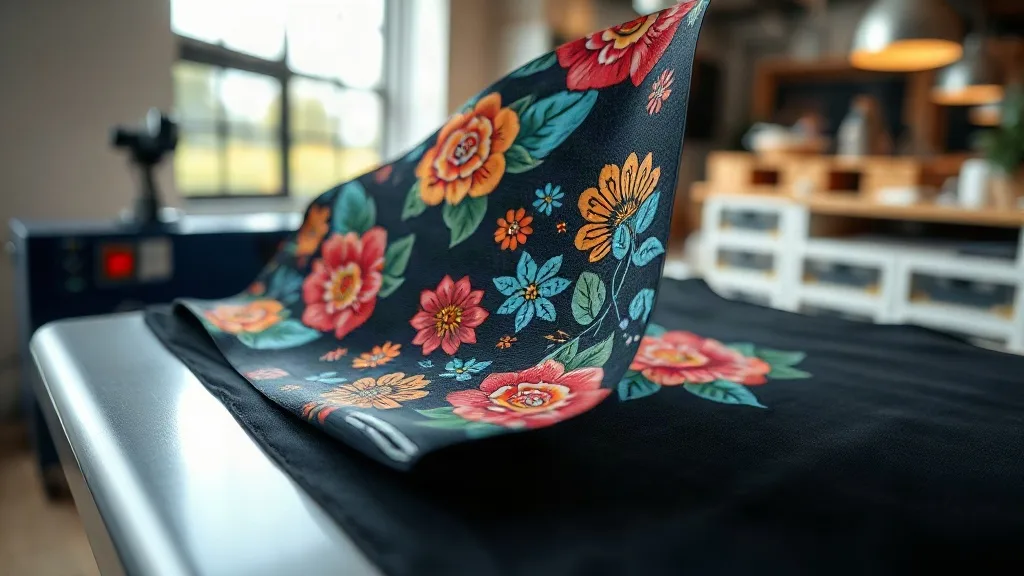
If you've been exploring custom apparel printing, you've likely encountered dtf transfers. This innovative technology is changing how creators and businesses approach fabric printing, offering vibrant colors and durable results on a wide range of materials. Whether you're a hobbyist or a seasoned pro, understanding DTF transfers can open up new possibilities for your designs.
What Are DTF Transfers?
DTF stands for Direct-to-Film. It's a printing method where your design is printed onto a special film, then coated with a powder adhesive and cured. The resulting transfer can be applied to fabrics using a heat press. Unlike DTG (Direct-to-Garment) printing, which requires specialized equipment and pretreatment, DTF transfers are versatile and work on almost any fabric, including cotton, polyester, blends, and even some non-textile surfaces.
The DTF Printing Process
The process begins with a digital design. The printer lays down a layer of white ink (or a release agent) followed by CMYK colors. This is crucial because it allows the design to show up vividly on dark fabrics. After printing, a adhesive powder is applied while the ink is still wet. The film is then cured to melt the powder, creating a flexible, durable layer that will bond to the fabric under heat.
Why Choose DTF Transfers?
There are several reasons why dtf transfers have become a favorite among decorators. First, they don't require weeding, which saves time and reduces waste. Second, they offer excellent color vibrancy and fine detail. Third, they are incredibly durable, withstanding multiple washes without cracking or fading. Finally, they are cost-effective for small to medium runs, as no minimum order quantity is required.
Applications and Use Cases
DTF transfers are ideal for custom t-shirts, hoodies, tote bags, and more. They are particularly popular for personalized gifts, small business merchandise, and event apparel. Because they work on so many fabric types, you can experiment with different materials without worrying about adhesion issues.
How to Apply DTF Transfers: Step-by-Step
Applying a DTF transfer is straightforward, but following the correct steps ensures a professional finish. Here's a quick guide:
- Preheat your heat press to the recommended temperature (usually 300-320°F or 150-160°C).
- Pre-press the garment for a few seconds to remove moisture and wrinkles.
- Place the transfer on the fabric with the printed side facing up.
- Press with medium pressure for 10-15 seconds.
- Peel the film while it's still warm (or cold, depending on the film type).
- Post-press for a few seconds to ensure the design is fully bonded.
Always test on a scrap piece first to dial in your press settings.
Common Mistakes to Avoid
Even experienced users can run into issues. Here are a few pitfalls to watch out for:
- Insufficient pressure: This can cause the transfer to peel or not adhere properly.
- Wrong temperature: Too hot and the film may melt; too cold and the adhesive won't activate.
- Peeling too soon or too late: Follow the film manufacturer's instructions for hot vs. cold peel.
- Not pre-pressing: Moisture in the fabric can ruin the transfer.
Finding Quality DTF Transfers
When sourcing DTF transfers, quality matters. Look for suppliers who use high-quality inks and films, and who provide clear instructions. If you're searching for dtf transfers near me, consider online suppliers that offer fast shipping and competitive pricing. Many companies, like dtfprotransfer.com, specialize in DTF transfers and can provide samples to test before committing to larger orders.
DTF vs. Other Printing Methods
How does DTF compare to screen printing, vinyl, or DTG? Each has its strengths. Screen printing is cost-effective for large runs but requires setup. Vinyl is great for simple designs but limited in detail. DTG excels on 100% cotton but can be less vibrant on dark colors. DTF offers a balance: vibrant colors, fine detail, and versatility across fabrics, with no minimums.
Frequently Asked Questions
What fabrics can I use with DTF transfers?
DTF transfers work on cotton, polyester, blends, and even leather or canvas. They are not recommended for fabrics with a heavy water-repellent coating.
How long do DTF transfers last?
With proper application and care, DTF transfers can last as long as the garment, often 50+ washes. Avoid ironing directly on the design and wash inside out.
Can I use DTF transfers on dark colors?
Yes, DTF transfers include a white ink layer that makes colors pop on dark fabrics. This is one of their key advantages.
Do I need a special printer for DTF?
Yes, DTF requires a dedicated DTF printer and curing oven. However, you can purchase ready-made transfers from suppliers if you don't want to invest in equipment.
Where can I find DTF transfers near me?
Search online for local or online suppliers. Many companies offer nationwide shipping, so you can access quality DTF transfers regardless of your location.