
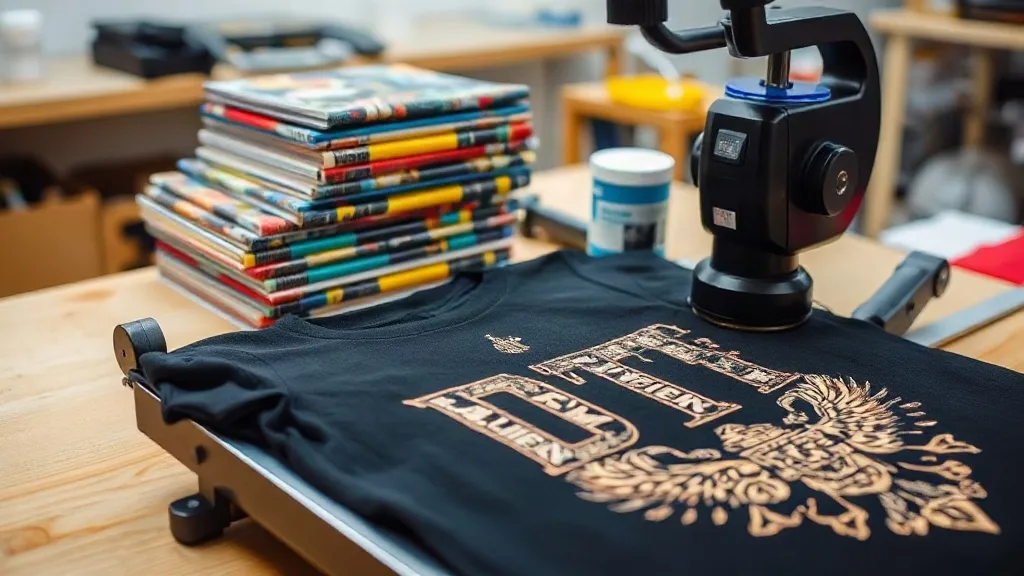
If you've been exploring custom apparel printing, you've likely encountered dtf transfers as a game-changing solution. Unlike traditional methods that require specialized equipment or limited to certain fabrics, DTF (Direct to Film) printing offers incredible versatility and vibrant results. In this guide, we'll walk you through everything you need to know to get started with DTF transfers, from understanding the basics to achieving professional-quality finishes.
What Are DTF Transfers?
DTF transfers are a relatively new printing technology that involves printing your design onto a special film, coating it with adhesive powder, and then heat-pressing it onto fabric. The process eliminates the need for weeding or masking, making it ideal for intricate designs and small details. The result is a soft, stretchable print that adheres well to cotton, polyester, blends, and even treated nylon.
Why Choose DTF Transfers?
There are several reasons why DTF transfers have become a favorite among crafters and small businesses:
- Versatility: Works on almost any fabric, including dark colors and synthetic materials.
- Durability: Prints resist cracking, peeling, and fading even after multiple washes.
- Detail: Captures fine lines and gradients with exceptional clarity.
- No Pretreatment: Unlike DTG, DTF doesn't require pre-treating the garment.
- Cost-Effective: Low startup costs compared to screen printing or DTG.
How to Apply DTF Transfers: Step-by-Step
Applying dtf transfers is straightforward if you follow the right steps. Here's a quick guide:
- Preheat your heat press to the recommended temperature (usually 300-325°F or 150-160°C).
- Pre-press the garment for a few seconds to remove moisture and wrinkles.
- Place the transfer on the fabric with the printed side facing up.
- Press with medium pressure for 10-15 seconds.
- Peel the film while it's still warm (or cold, depending on the film type).
- Post-press for another 5-10 seconds using a Teflon sheet or parchment paper for extra durability.
For best results, always refer to the specific instructions provided by your transfer supplier, as films and powders can vary.
Choosing the Right DTF Supplies
The quality of your DTF transfers depends heavily on the supplies you use. Here's what to look for:
DTF Film
Choose a film that matches your printer type (e.g., for pigment or dye-based inks) and offers good ink absorption. Cold-peel films are popular for their ease of use, while hot-peel films can be faster.
DTF Powder
The adhesive powder is crucial for bonding. Look for a fine, consistent powder that melts evenly. Store it in a dry place to prevent clumping.
Inks
Use high-quality DTF inks designed for your printer. Third-party inks can be tempting, but they may clog printheads or produce dull colors.
Common Mistakes to Avoid
Even experienced crafters can run into issues. Here are some pitfalls to watch out for:
- Insufficient pressure: Leads to poor adhesion and washing off.
- Wrong temperature: Too hot can scorch the fabric; too cold won't activate the adhesive.
- Peeling too soon or too late: Follow the film's instructions for peel timing.
- Ignoring fabric type: Some fabrics (like nylon) require lower temperatures.
Finding DTF Transfers Near You
If you're not ready to invest in a printer, you can order custom transfers from professional services. Searching for dtf transfers near me can help you locate local providers who offer quick turnaround and personalized support. Many online stores also ship nationwide, so you can access high-quality transfers no matter where you are.
Frequently Asked Questions
Can I use DTF transfers on 100% polyester?
Yes, DTF transfers work well on polyester, but use a lower temperature (around 280-300°F) to prevent dye migration. Always test on a scrap piece first.
How long do DTF transfers last?
With proper application and care, DTF prints can last 50+ washes without significant fading or cracking.
Do I need a special printer for DTF?
You can convert certain inkjet printers to use DTF inks, or purchase a dedicated DTF printer. Many beginners start with a converted Epson printer.
What's the difference between DTF and DTG?
DTF uses a film transfer and works on more fabrics, while DTG prints directly onto the garment, typically requiring 100% cotton and pretreatment.
Can I stretch DTF prints?
Yes, DTF prints are stretchable and flexible, making them suitable for athletic wear and stretchy fabrics.