
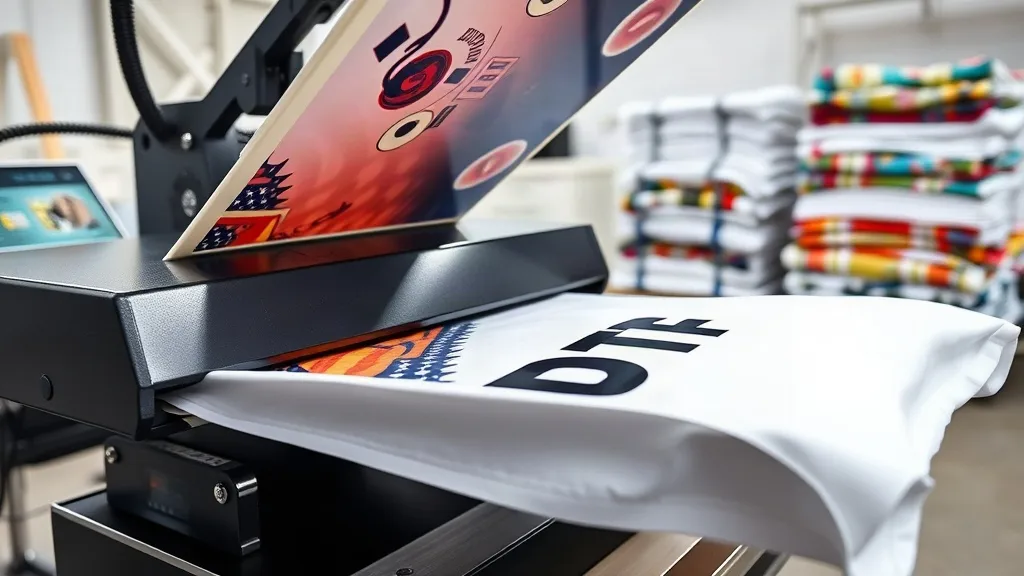
If you have been exploring custom apparel printing, you have likely come across dtf as a game-changing technology. Direct-to-film printing has quickly become a favorite among hobbyists and professionals alike because it simplifies the process of transferring detailed designs onto fabric. Unlike older methods that require weeding or specialized equipment, dtf transfers offer a versatile and efficient way to produce vibrant, long-lasting prints. In this guide, we will walk you through everything you need to know to get started with confidence.
What Are DTF Transfers?
DTF stands for Direct-to-Film. The process involves printing your design onto a special PET film using a DTF printer and water-based inks. After printing, a layer of hot-melt adhesive powder is applied to the wet ink. This powder is then cured, creating a transfer that can be heat-pressed onto various fabrics. What sets DTF apart is that it does not require pre-treatment of the garment, and it works on materials like cotton, polyester, blends, and even leather.
The resulting prints are known for their elasticity, vibrant colors, and durability. Because the adhesive bonds with the fabric fibers, dtf transfers can withstand repeated washing without cracking or fading. This makes them ideal for items that see frequent use, such as t-shirts, hoodies, and tote bags.
How DTF Transfers Differ from Other Printing Methods
To appreciate the value of DTF, it helps to compare it with other popular techniques like screen printing, DTG (Direct-to-Garment), and vinyl cutting.
Versatility Across Fabrics
Screen printing requires different inks for different fabrics and is cost-effective only for large orders. DTG works best on 100% cotton and often needs pre-treatment. Vinyl cutting is limited in detail and color. DTF, on the other hand, adheres to almost any fabric with minimal preparation. Whether you are printing on a dark polyester jersey or a light cotton tee, the results are consistent.
No Weeding or Masking
With vinyl, you must cut and weed the design, which is time-consuming and impractical for intricate artwork. DTF eliminates that step entirely. Once the transfer is printed and powdered, you simply press it onto the garment. This saves hours of labor and reduces waste.
Cost-Effective for Short Runs
Screen printing setup costs are high, making small batches expensive. DTF allows you to print one-off designs or small quantities without breaking the bank. You can produce a single transfer or hundreds with the same ease, making it perfect for custom orders, samples, or personal projects.
Step-by-Step: Applying DTF Transfers
Applying a DTF transfer is straightforward, but following the correct steps ensures a professional finish that lasts.
- Prepare your heat press: Set the temperature to around 300-325°F (150-160°C) and preheat the garment for a few seconds to remove moisture.
- Position the transfer: Place the DTF transfer on the garment with the printed side facing up. The adhesive side should be against the fabric.
- Press: Apply medium to firm pressure for 10-15 seconds. If you are using a home iron, press firmly and move slowly, but a heat press is recommended for consistent results.
- Peel: Wait for the transfer to cool completely (cold peel) or peel while warm (hot peel) depending on the film type. Most DTF transfers are cold peel.
- Post-press: For added durability, cover the design with a sheet of parchment paper and press again for 5-10 seconds.
Following these steps will give you a smooth, stretchable print that stays put.
Common Mistakes to Avoid
Even though DTF is forgiving, some pitfalls can ruin your results. Here are a few to watch out for:
- Insufficient pressure: Without enough pressure, the adhesive won't bond properly, leading to peeling.
- Wrong temperature: Too hot and the film may melt or the ink may scorch; too cold and the adhesive won't activate.
- Not pre-pressing: Moisture in the fabric can cause steam pockets and poor adhesion.
- Peeling too early or too late: Always follow the film manufacturer's instructions for peel timing.
- Using the wrong film: Not all DTF films are created equal. Choose a film compatible with your printer and ink.
By avoiding these mistakes, you'll achieve consistent, high-quality transfers every time.
Why Choose DTF for Your Business or Hobby?
If you run a custom apparel business, DTF offers a competitive edge. You can offer a wider range of products without investing in multiple printing setups. For hobbyists, it opens up a world of creativity. You can print detailed photos, gradients, and fine lines that are difficult with other methods. Plus, the ability to print on demand reduces inventory waste.
Moreover, dtf transfers are known for their soft feel. Unlike thick screen prints, DTF prints have a smooth, flexible texture that doesn't crack. This enhances the wearing experience and makes your products more appealing to customers.
Frequently Asked Questions
What fabrics can I use with DTF transfers?
DTF transfers work on a wide range of fabrics, including cotton, polyester, nylon, leather, and blends. They are especially effective on polyesters and synthetic materials where other methods may struggle.
Do I need a special printer for DTF?
Yes, you need a DTF printer that uses DTF inks and can print on PET film. However, you can also purchase pre-printed DTF transfers from suppliers if you don't want to invest in a printer.
How durable are DTF prints?
When applied correctly, DTF prints are highly durable. They can withstand 50+ washes without significant fading or cracking. Proper washing inside out in cold water and avoiding bleach will extend their life.
Can I layer DTF transfers?
Yes, you can layer DTF transfers to create multi-color or multi-layer designs. Just press the first layer, then add the next, and press again. This is great for adding names or numbers on top of a base design.
Is DTF more expensive than other methods?
For small to medium runs, DTF is often more cost-effective than screen printing because there are no setup fees. For large runs, screen printing may be cheaper per unit, but DTF remains competitive when you factor in its versatility.
DTF transfers have revolutionized the custom apparel industry by making high-quality, full-color printing accessible to everyone. Whether you are just starting out or looking to expand your offerings, mastering DTF can set you apart. With the right techniques and a bit of practice, you'll be creating stunning, durable prints in no time.