
If you've been in the custom apparel game for any length of time, you've likely heard the buzz around dtf printing. It's not just another trendy acronym. DTF, or Direct to Film, is reshaping how small shops and large manufacturers approach garment decoration. Unlike traditional methods that force you to choose between vibrant colors and a soft hand feel, DTF delivers both. Whether you're printing a single custom tee or a thousand-piece order, understanding dtf transfers can save you time, money, and a lot of frustration.
What Exactly Are DTF Transfers?
At its core, DTF printing is a digital process where your design is printed onto a special film using water-based inks. A powdered hot-melt adhesive is applied to the wet ink, then the film is cured. The result is a transfer that can be heat-pressed onto various fabrics. The magic lies in the adhesive: it bonds with the fabric fibers, creating a stretchable, durable print that doesn't crack or peel like some other methods.
Unlike screen printing, DTF doesn't require separate screens for each color. This makes it incredibly cost-effective for full-color designs and short runs. And unlike DTG (Direct to Garment), DTF works on a wider range of materials, including cotton, polyester, blends, and even some nylons. That versatility is why so many printers are adding dtf transfers to their arsenal.
Why DTF Transfers Are Gaining Popularity
The rise of DTF isn't just hype. It solves real problems that garment decorators face daily.
1. Unmatched Color Vibrancy on Any Fabric
DTF inks are incredibly pigmented, producing bright, opaque colors even on dark garments. With DTG, printing white on black often requires a pretreat and multiple passes, and the result can be dull. DTF transfers, on the other hand, lay down a white base layer automatically, so your colors pop consistently. This is a game-changer for anyone printing on dark or colored shirts.
2. Soft Hand Feel and Stretchability
Nobody wants a print that feels like a plastic patch. DTF transfers are thin and flexible. When applied correctly, they stretch with the fabric without cracking. This is especially important for performance wear and athletic jerseys where movement is constant. The hot-melt adhesive is engineered to remain elastic, so your prints move with the garment, not against it.
3. No Weeding, No Masks, No Mess
If you've ever spent hours weeding vinyl, you know the pain. DTF eliminates that entirely. You print, powder, cure, and press. That's it. There's no cutting, no weeding, no transfer tape. This streamlined workflow means you can take on more jobs with fewer headaches. For small business owners, time is money, and DTF saves both.
The DTF Process Step by Step
Understanding the process helps you troubleshoot and perfect your results. Here's a breakdown of what happens from digital file to finished garment.
- Design Preparation: Your artwork is prepared in a RIP software, which handles color management and mirroring. The design is printed in reverse onto a PET film.
- Printing: A DTF printer lays down CMYK inks, followed by a white ink layer. The white layer is crucial for opacity on dark fabrics.
- Powdering: While the ink is still wet, a thermoplastic powder is sprinkled over the print. The powder sticks to the wet ink.
- Curing: The film passes through a heat source (often a conveyor oven) to melt the powder. This creates a flexible adhesive layer.
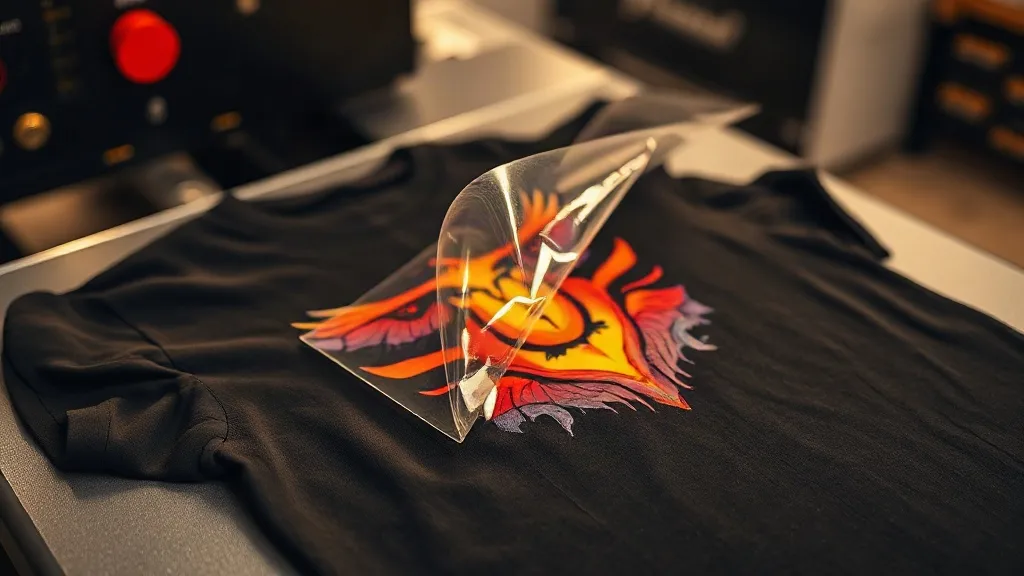
- Transfer: The cured film is placed on the garment and heat-pressed. The adhesive melts, bonding the print to the fabric. After cooling, the film is peeled away, leaving the design behind.
Each step requires attention to detail, but once dialed in, the process is remarkably consistent.
DTF vs. Other Decoration Methods
How does DTF stack up against the old guard? Let's compare.
- DTF vs. Screen Printing: Screen printing wins on cost per piece for large orders of simple designs. But for complex, multi-color designs or small batches, DTF is more economical and faster to set up.
- DTF vs. DTG: DTG is great for 100% cotton, but it struggles on synthetics and dark colors. DTF excels on both. DTG also often requires pretreatment, adding a step. DTF is more versatile.
- DTF vs. Vinyl: Vinyl is limited to one color per layer and requires weeding. DTF offers full-color, photographic quality with no weeding. Durability is comparable, but DTF feels softer.
- DTF vs. Sublimation: Sublimation only works on polyester and light-colored fabrics (unless you use special coatings). DTF works on almost anything, including cotton and blends.
For many shops, DTF has become the go-to for on-demand printing and personalized items.
Choosing the Right DTF Supplies
Not all DTF films and powders are created equal. The quality of your supplies directly impacts the final product. Here's what to look for.
Film
Look for PET films with a consistent coating. Cheap films can cause ink bleeding or poor powder adhesion. Thickness matters too: thinner films (75-100 microns) tend to transfer better and feel softer. Double-sided films are available for special effects, but single-sided is standard.
Ink
DTF inks are specifically formulated for the process. Using generic inks can clog your printhead and produce poor results. Stick with reputable brands that offer good color gamut and longevity.
Powder
The adhesive powder is the unsung hero. It comes in different particle sizes. Finer powder (80-200 microns) gives a softer feel and is ideal for fine details. Coarser powder is more durable but can feel grainier. Many printers use a blend. Also, consider TPU-based powders for stretchability.
Tips for Perfect DTF Transfers
Even with the best supplies, technique matters. Here are some pro tips to elevate your DTF game.
- Control Moisture: DTF film and powder are sensitive to humidity. Store them in a dry place. If your prints are inconsistent, moisture might be the culprit.
- Preheat Your Garment: A quick pre-press removes wrinkles and moisture, ensuring a smooth application.
- Dial In Your Press Settings: Temperature, pressure, and time vary by fabric and transfer. Start with 325°F (160°C), medium pressure, for 15 seconds. Adjust from there.
- Peel Cool: Always let the transfer cool completely before peeling. Peeling hot can cause the design to stretch or lift.
- Post-Press for Durability: After peeling, press again for a few seconds with a Teflon sheet. This further embeds the adhesive and improves washability.
Common Mistakes to Avoid
Learning from others' mistakes can save you time and materials. Here are pitfalls to watch for.
- Using Too Much Powder: Excess powder creates a rough texture and can leave residue on the press. Shake off any excess before curing.
- Under-Curing: If the powder isn't fully melted, the transfer won't adhere properly. It may peel off after a few washes. Invest in a good curing oven or heat press with accurate temperature control.
- Pressing on the Wrong Side: Always press the film side up. It sounds obvious, but it's a common rookie mistake.
- Ignoring Fabric Compatibility: While DTF works on many fabrics, some highly textured or coated materials may not bond well. Always test on a scrap piece first.
Applications of DTF Transfers
DTF is not just for t-shirts. Its versatility opens up a world of possibilities.
- Custom Apparel: T-shirts, hoodies, leggings, jackets, and more.
- Sportswear: Jerseys, shorts, and performance gear benefit from the stretchability.
- Accessories: Tote bags, hats, and even shoes can be decorated with DTF.
- Home Decor: Pillows, aprons, and other fabric items.
- Promotional Items: Quick turnaround for events and giveaways.
If it's fabric, chances are DTF can be applied to it.
Frequently Asked Questions About DTF Transfers
How durable are DTF transfers?
When applied correctly, DTF transfers are highly durable. They can withstand 50+ washes without fading, cracking, or peeling. Proper curing and post-pressing are key to longevity.
Can I use DTF transfers on 100% polyester?
Yes, DTF works well on polyester. However, because polyester is heat-sensitive, you should use lower temperatures (around 280-300°F) and shorter press times to avoid scorching or dye migration. Some printers use a low-temperature powder for better results on polyester.
Do I need a special printer for DTF?
You can convert a standard inkjet printer to DTF by using DTF inks and a RIP software, but dedicated DTF printers are recommended for consistent results and faster production. They are engineered to handle the white ink circulation and powder application.
What is the difference between DTF and DTG?
DTG prints directly onto the garment, while DTF prints onto a film that is then transferred. DTF works on more fabrics and doesn't require pretreatment, but DTG can be more cost-effective for 100% cotton light-colored shirts in large quantities.
How do I store DTF transfers?
Store unused transfers in a cool, dry place, away from direct sunlight. Keep them in a sealed bag to prevent moisture absorption. Properly stored transfers can last for several months.
Final Thoughts
DTF transfers have democratized garment printing. They offer a level of quality, versatility, and ease that was previously hard to achieve without expensive equipment. Whether you're a hobbyist or a growing business, mastering DTF can set you apart. Remember, the key is in the details: quality supplies, precise settings, and a bit of practice. So go ahead, experiment, and watch your designs come to life on fabric like never before.