
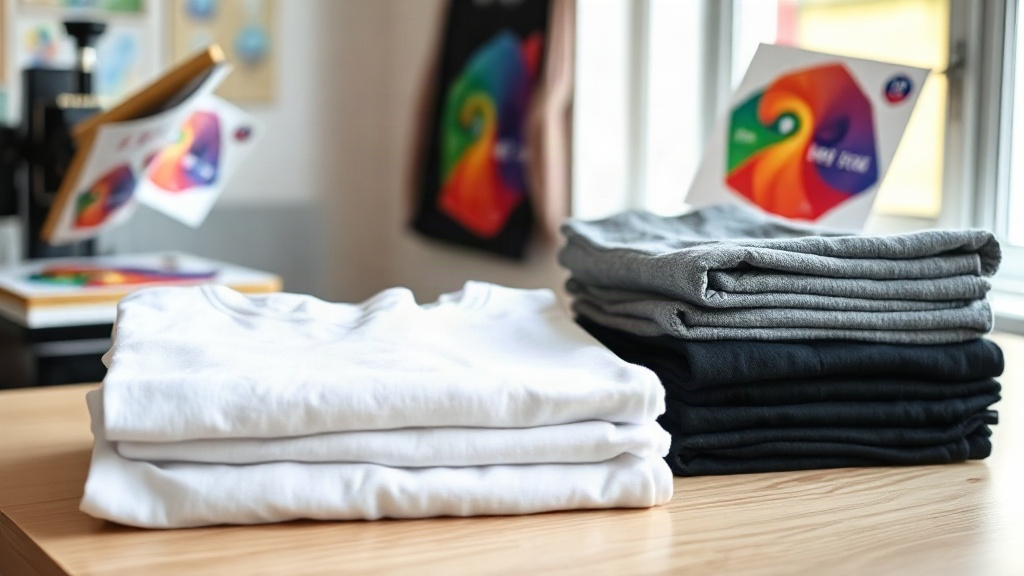
When you're in the custom apparel business, every print matters. A vibrant design on a high-quality blank can turn a casual browser into a loyal customer. But with so many options, how do you choose the right blank for DTF transfers? The answer lies in smart blanks: garments engineered to work seamlessly with direct-to-film printing. In this guide, we'll explore why smart blanks and brands like Shaka Wear are game-changers for your DTF projects, and how to get flawless results every time.
What Are Smart Blanks and Why Do They Matter for DTF?
Smart blanks are not just any t-shirt. They are specially designed or selected garments that optimize the DTF printing process. Unlike traditional screen printing, DTF transfers adhere to the fabric through a heat press, bonding a printed film to the material. The blank's composition, weave, and finish directly affect how well the transfer sticks, how it feels, and how long it lasts.
A smart blank typically features a tight, smooth weave that allows the transfer to sit evenly without sinking into the fabric. It also has a consistent surface, free from heavy dyes or coatings that could interfere with adhesion. When you pair the right blank with quality DTF transfers, you get prints that are stretchy, vibrant, and resistant to cracking.
Why does this matter? Because customers notice everything. A rough, uneven print or one that peels after a few washes leads to returns and bad reviews. By choosing smart blanks, you invest in your reputation and reduce waste. Plus, you save time by avoiding trial and error with incompatible garments.
Key Characteristics of a Smart Blank
- Fabric content: High cotton or cotton-poly blends (like 50/50 or 60/40) work best. 100% polyester can be tricky due to dye migration, but some poly-rich blanks are treated for DTF.
- Weave and texture: Tightly woven, smooth surfaces like ring-spun cotton or combed cotton allow the transfer to adhere uniformly.
- Color: Light colors are easiest, but with the right DTF film and powder, you can print on darks too. However, a smart blank for darks should have a dye-blocking layer to prevent bleeding.
- Pre-treatment: Some blanks come pre-treated for DTF, saving you a step. Others may require a quick pre-press to remove moisture and wrinkles.
When you source blanks, always test a sample before committing to a bulk order. Not all blanks are created equal, and what works for one printer might not work for yours.
Why Shaka Wear Stands Out for DTF Printing
Among the many blank brands, Shaka Wear has earned a solid reputation in the DTF community. Based in Los Angeles, Shaka Wear specializes in streetwear-inspired garments that combine style with printability. Their tees are known for their heavyweight feel, relaxed fit, and consistent quality, making them a favorite for custom printers.
What makes Shaka Wear a smart choice for DTF transfers? First, their fabric is typically 100% cotton or a cotton-poly blend with a smooth surface. This allows the transfer to bond evenly, resulting in a soft hand feel and excellent durability. Second, their garments are pre-shrunk, so you won't see unexpected shrinkage after the first wash, which can distort prints.
Third, Shaka Wear offers a range of styles, from classic tees to hoodies and tank tops, giving you versatility for different projects. Their color palette includes vibrant hues and popular neutrals, so you can match any design. And because they're widely available through wholesale distributors, you can scale your production without supply chain headaches.
But here's a pro tip: even with great blanks, your DTF process must be dialed in. Let's dive into the steps to achieve flawless transfers on Shaka Wear and other smart blanks.
Step-by-Step: How to Apply DTF Transfers to Smart Blanks
Getting a perfect DTF print isn't rocket science, but it does require attention to detail. Follow these steps to ensure your transfers look professional and last.
1. Choose the Right DTF Transfer
Not all DTF transfers are created equal. Look for transfers printed with high-quality inks and a consistent powder coating. The film should be flexible and thin, so it conforms to the fabric without feeling like a plastic patch. If you're printing your own, use a reliable DTF printer and follow the manufacturer's guidelines for ink and powder.
2. Prepare the Blank
Before pressing, pre-press the garment for 5-10 seconds at 300-320°F (150-160°C) to remove moisture and wrinkles. This step is crucial for smart blanks because any moisture can cause the transfer to lift or bubble. If your blank has a lot of lint, use a lint roller. For dark garments, consider a pre-treatment spray designed for DTF to improve adhesion.
3. Position and Press
Place the transfer on the garment with the printed side up. Set your heat press to 300-325°F (150-160°C) with medium pressure (around 4-6 on a scale of 10). Press for 10-15 seconds. The exact time and temperature can vary by transfer type, so always check the instructions. For Shaka Wear heavyweight tees, you might need slightly higher pressure to ensure the transfer penetrates the thicker fabric.
4. Peel and Finish
After pressing, peel the film while it's still hot (hot peel) or let it cool completely (cold peel), depending on the transfer's recommendation. Most DTF transfers are hot peel, but some require cold peel for best results. Once peeled, press the garment again for 5-10 seconds with a protective sheet (like parchment paper) to smooth the print and improve washability.
5. Quality Check
Inspect the print for any lifting edges, bubbles, or uneven areas. If you spot issues, re-press for a few seconds. A well-applied DTF transfer should stretch with the fabric and not feel stiff. If it does, you might need to adjust your pressure or temperature.
Common Pitfalls and How to Avoid Them
Even with smart blanks, things can go wrong. Here are some common issues and their solutions:
- Print peeling after wash: Usually caused by insufficient pressure, wrong temperature, or moisture in the fabric. Pre-press thoroughly and increase pressure slightly.
- Dull or faded colors: May be due to under-pressing or low-quality transfers. Ensure your press reaches the correct temperature and use reputable DTF transfers.
- Dye migration: On dark polyester blends, the garment's dye can bleed into the transfer. Use a dye-blocking transfer or choose a poly-friendly DTF film.
- Stiff print: Often a result of too much powder or over-pressing. Use a light powder coat and follow the transfer's instructions.
Remember, practice makes perfect. Test on scrap fabric or a sample blank before running a full batch.
Maximizing Your DTF Business with Smart Blanks
If you're selling custom apparel, the blank you choose affects your bottom line. Smart blanks reduce error rates, which means less waste and more profit. They also enhance customer satisfaction, leading to repeat business. By partnering with reliable brands like Shaka Wear, you build a reputation for quality.
Consider offering a range of smart blanks to cater to different preferences: lightweight tees for summer, heavyweight for streetwear, and blends for performance wear. Each requires slight adjustments in your DTF process, but the payoff is worth it. Keep detailed notes on settings for each blank type so you can replicate success.
Also, stay updated on new DTF technologies and blank innovations. The industry evolves, and what's smart today might be standard tomorrow. Join forums, attend trade shows, and connect with other printers to share insights.
Frequently Asked Questions
Can I use DTF transfers on 100% polyester smart blanks?
Yes, but you need to be careful. Polyester can cause dye migration, especially with dark colors. Use a DTF transfer specifically designed for polyester or apply a dye-blocking underlay. Also, lower your press temperature to around 280-300°F to prevent the polyester from scorching.
What is the best heat press setting for Shaka Wear tees?
For most Shaka Wear 100% cotton tees, set your heat press to 320°F (160°C) with medium-heavy pressure for 12-15 seconds. For blends, reduce to 300°F (150°C). Always pre-press the garment for 5 seconds to remove moisture.
How do I prevent DTF prints from cracking?
Cracking usually happens when the transfer is under-pressed or stretched beyond its limits. Ensure even pressure across the entire transfer, and avoid over-stretching the garment when wearing. Also, wash the garment inside out in cold water and tumble dry low.
Are smart blanks more expensive than regular blanks?
Not necessarily. Smart blanks are simply blanks that work well with DTF. Many affordable options exist, including Shaka Wear, which offers competitive wholesale pricing. The slight increase in cost per blank is often offset by reduced waste and higher customer satisfaction.
Can I print DTF transfers on both light and dark smart blanks?
Absolutely. DTF transfers are versatile and work on both light and dark fabrics. However, on dark garments, you need a white ink layer in the transfer to make colors pop. Ensure your DTF printer or supplier includes a white base for dark blanks.
By choosing the right smart blanks and mastering your DTF technique, you can produce custom apparel that stands out. Whether you're a hobbyist or a growing business, the combination of quality blanks and quality transfers is your recipe for success. Start with a few samples, dial in your process, and watch your creations come to life.