
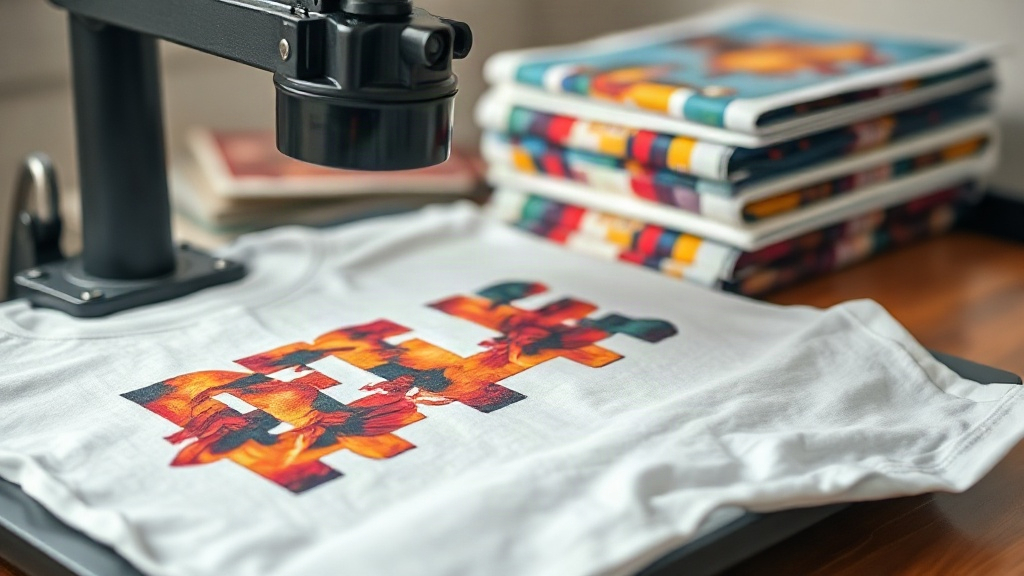
When you need custom apparel that stands out, DTF Transfers offer a compelling mix of vibrant color, fine detail, and durability that works on almost any fabric. Unlike traditional screen printing or vinyl, DTF transfers let you produce full-color designs without minimums or color limitations. Whether you're a small business owner, a hobbyist, or part of a large production team, understanding how DTF transfers work and how to get the best results can save you time and money while elevating your finished products.
In this guide, we'll walk through the entire DTF process, from what makes these transfers unique to practical tips for application, troubleshooting, and care. By the end, you'll know exactly how to choose and use DTF transfers for professional-looking results every time.
What Are DTF Transfers?
DTF stands for Direct to Film. It's a printing method where your design is printed onto a special film, coated with a adhesive powder, and then heat-pressed onto the fabric. The result is a soft, stretchable print that bonds permanently to the material. Unlike DTG (Direct to Garment) which prints directly onto the shirt, DTF transfers are created separately and then applied, giving you more control and flexibility.
The process involves several steps: first, a digital printer prints your design onto a PET film using special DTF inks. Then, a powder adhesive is applied while the ink is still wet. After shaking off the excess, the film is cured in an oven or with a heat press. The final transfer can be stored and used later, making it ideal for on-demand production.
Why Choose DTF Over Other Methods?
DTF transfers have several advantages that make them a go-to choice for many decorators:
- No color limits: You can print gradients, photographs, and complex multicolor designs without extra cost.
- Fabric versatility: Works on cotton, polyester, blends, and even some nylons and leathers.
- No minimums: Perfect for one-off custom items or small batches.
- Durability: When applied correctly, DTF prints withstand repeated washing without fading or cracking.
- Soft feel: The prints are thin and flexible, unlike heavy plastisol transfers.
How to Apply DTF Transfers for Best Results
Getting a professional finish with DTF transfers requires attention to a few key factors: temperature, pressure, and time. While specific settings vary by transfer supplier and fabric, here are general guidelines that work well for most applications.
Step-by-Step Application
- Preheat the garment: Press for 5-10 seconds to remove moisture and wrinkles. This ensures proper adhesion.
- Position the transfer: Place the DTF transfer with the printed side down onto the fabric. If your transfer has a carrier film, make sure the adhesive side faces the garment.
- Heat press: Set your press to 300-325°F (150-160°C) with medium to firm pressure. Press for 10-15 seconds.
- Peel: DTF transfers are typically cold peel, meaning you wait a few seconds until the film is cool to the touch before peeling. Some newer films allow hot peel, so check your supplier's instructions.
- Post-press (optional): For extra durability, you can press again for 5 seconds with a protective sheet over the design.
Always test on a scrap piece of fabric first, especially with heat-sensitive materials like polyester. Using a Teflon sheet or parchment paper between the press and the transfer prevents sticking and protects the print.
Common Mistakes to Avoid
Even experienced decorators can run into issues. Here are a few pitfalls to watch for:
- Insufficient pressure: If the transfer doesn't fully adhere, you'll see peeling or premature cracking. Increase pressure or adjust your press.
- Wrong temperature: Too hot and the film may melt or the adhesive may scorch; too cool and the print won't bond.
- Peeling too soon: Wait until the transfer is cool (or follow the hot peel recommendation) to avoid distorting the design.
- Not pre-pressing: Skipping pre-press can trap moisture, leading to poor adhesion and bubbles.
Choosing the Right DTF Transfer for Your Project
Not all DTF transfers are created equal. Quality varies based on the film, ink, and powder used. When sourcing transfers, consider these factors:
Ink Quality
High-quality DTF inks produce vivid colors and sharp details. Cheaper inks may look faded or have a limited color gamut. Look for transfers that use pigments known for wash fastness and elasticity.
Adhesive Powder
The powder determines how well the transfer bonds to the fabric. A fine, evenly applied powder yields a smooth finish and strong adhesion. Some suppliers offer different powder types for stretchy fabrics or for enhanced durability.
Film Type
DTF films come in various thicknesses and finishes. Thinner films tend to feel softer on the garment, while thicker films may be more durable. Matte and glossy options are available, though the difference is often subtle after application.
If you're producing transfers in-house, investing in a reliable DTF printer, quality inks, and consistent powder will pay off in the long run. For those who prefer ready-to-press transfers, partnering with a reputable supplier like DTF Pro Transfer ensures consistent results.
Caring for DTF Printed Garments
To keep your DTF prints looking new, follow these care instructions:
- Wait at least 24 hours after application before washing.
- Turn the garment inside out before washing.
- Use cold water and a gentle cycle.
- Avoid bleach and fabric softeners, which can degrade the adhesive.
- Tumble dry on low or hang to dry. High heat can cause cracking.
- If ironing is needed, do not iron directly on the print. Use a pressing cloth and low heat.
With proper care, DTF transfers can last as long as the garment itself, making them a cost-effective choice for custom apparel.
Frequently Asked Questions
How long do DTF transfers last?
When applied correctly and cared for properly, DTF transfers can last 50+ washes without significant fading or cracking. The key is using quality transfers and following the recommended application and washing guidelines.
Can I use DTF transfers on dark colors?
Yes, DTF transfers include a white ink base that allows them to show up vibrantly on dark fabrics. This is one of the main advantages over DTG printing, which often requires a white underbase for dark shirts.
What fabrics work best with DTF transfers?
DTF transfers adhere well to cotton, polyester, cotton-poly blends, and many other materials. They also work on some specialty fabrics like nylon and leather, though testing is recommended for unusual substrates.
Do I need a heat press for DTF transfers?
Yes, a heat press is essential for proper application. While you might get away with an iron for a temporary fix, the pressure and consistent temperature of a heat press ensure durable, professional results.
Can I layer DTF transfers?
Layering is possible but not always recommended because it can make the print feel thick. If you need to layer, apply the bottom layer first, then press the top layer for a shorter time to avoid over-curing the underlying transfer.
DTF transfers have revolutionized custom apparel decoration by combining versatility, durability, and ease of use. Whether you're printing one shirt or a hundred, understanding the nuances of the process will help you achieve outstanding results. With the right techniques and a bit of practice, you'll be creating vibrant, long-lasting designs that impress your customers and clients.