
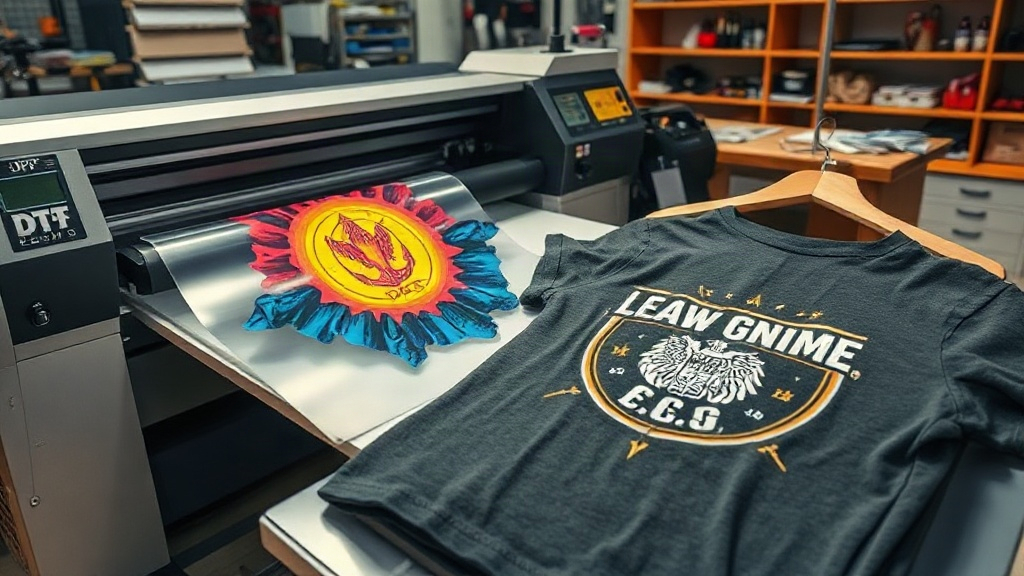
If you've been exploring custom apparel printing, you've likely encountered the term DTF. Short for Direct to Film, this technology is rapidly gaining popularity among hobbyists and professionals alike. Unlike traditional methods that require specialized equipment or extensive setup, DTF printing offers a versatile and accessible way to transfer detailed designs onto various fabrics. In this guide, we'll walk you through the essentials of DTF printing, from its mechanics to practical tips for achieving professional results.
What Exactly Is DTF Printing?
DTF printing stands for Direct to Film. It's a digital printing process where your design is printed onto a special film, coated with a powdered adhesive, and then heat-pressed onto the fabric. This method eliminates the need for cutting or weeding, making it efficient for complex, multi-color designs. The film acts as a carrier, allowing the ink to transfer cleanly onto the garment. Because the adhesive is activated by heat, the print bonds securely to the fabric, resulting in a durable and flexible finish.
Why Choose DTF Over Other Printing Methods?
When you compare DTF to techniques like screen printing or DTG (Direct to Garment), several advantages stand out. For starters, DTF works on a wide range of materials, including cotton, polyester, blends, and even treated leather. This versatility means you can decorate almost any garment without worrying about fabric composition. Additionally, DTF doesn't require pre-treatment, which is often necessary for DTG. The process also handles fine details, gradients, and photographic images with impressive clarity. Since the design is printed on film, you can produce intricate patterns without the color limitations of screen printing. Finally, DTF is cost-effective for short runs, making it ideal for small businesses, personalized gifts, or sampling.
How Does the DTF Process Work Step by Step?
Understanding the workflow helps you appreciate the magic behind DTF. Here's a breakdown of the key stages:
- Design Preparation: Create or import your artwork into RIP software. Ensure it's mirrored (flipped horizontally) because the film will be pressed face-down.
- Printing: The printer lays down white ink as a base, followed by CMYK inks. White ink is crucial for opacity on dark fabrics.
- Powdering: While the ink is still wet, a thermoplastic powder is applied evenly over the print. Excess powder is shaken off.
- Curing: The film passes through a heat source (like a heat press or oven) to melt the powder, creating a flexible adhesive layer.
- Transfer: The film is placed on the garment and heat-pressed. After cooling, the film is peeled away, leaving the design bonded to the fabric.
Essential Equipment for DTF Printing
To get started with DTF, you'll need a few key pieces of equipment. A DTF printer is the core investment; these printers use specialized inks and often include a white ink circulation system to prevent clogging. You'll also need a powder shaker machine to apply the adhesive evenly, and a heat press for curing and transferring. Some setups include a conveyor oven for curing, but a heat press can handle both steps with proper settings. Additionally, you'll need DTF film, powder, and of course, garments. While the initial cost may seem high, the versatility and low cost per print often justify the investment for those serious about custom apparel.
Tips for Successful DTF Transfers
Achieving vibrant, long-lasting results with DTF requires attention to detail. Here are some practical tips:
- Control Moisture: Humidity can affect powder adhesion. Store film and powder in a dry environment.
- Adjust Pressure and Temperature: Each heat press varies. Experiment with temperature (usually 300-320°F) and pressure to find the sweet spot for your setup.
- Use Quality Supplies: Not all films and powders are created equal. Invest in reputable brands to avoid issues like cracking or dull colors.
- Test on Scrap Fabric: Before pressing onto a final garment, do a test run to dial in your settings.
- Proper Peeling: Wait for the transfer to cool completely before peeling (cold peel) for a matte finish, or peel while warm (hot peel) for a glossy look.
Common Challenges and How to Overcome Them
Even experienced users face occasional hiccups with DTF. One common issue is powder not adhering properly, which can lead to a patchy transfer. This often stems from insufficient shaking or humid conditions. Another challenge is ink clogging in the printer's white channel; regular maintenance and daily printing can mitigate this. If your transfers feel stiff, you might be using too much powder or over-curing. Adjusting the powder amount and curing time can restore flexibility. Lastly, if colors appear dull after washing, ensure you're using high-quality ink and proper curing parameters. Troubleshooting becomes easier with practice and a systematic approach.
DTF vs. Other Printing Methods: A Quick Comparison
To help you decide if DTF is right for your projects, let's compare it to other popular techniques. Screen printing excels for large orders of simple designs but struggles with complex gradients. DTG is great for cotton but requires pre-treatment and can be less durable on synthetics. Vinyl cutting is cost-effective for simple shapes but limited in detail. DTF, on the other hand, shines for intricate, multi-color designs on various fabrics, with no minimum order quantity. It's a happy medium between the detail of DTG and the durability of screen printing, though it may not match screen printing's speed for massive runs. Ultimately, your choice depends on your specific needs and volume.
Applications of DTF Printing
The versatility of DTF opens up a world of possibilities. It's perfect for custom t-shirts, hoodies, tote bags, and even denim jackets. Small businesses use it to create branded merchandise, while individuals craft personalized gifts. Sports teams often rely on DTF for jerseys with names and numbers. Because it adheres to many materials, you can also decorate canvas shoes, pillowcases, and more. The ability to print photographic images means you can capture detailed artwork or logos with precision. Whether you're a startup or a seasoned decorator, DTF can elevate your offerings.
Frequently Asked Questions
What fabrics work best with DTF printing?
DTF works well on cotton, polyester, blends, and even some treated leathers. For best results, fabric should be smooth and free of heavy textures or coatings that might interfere with adhesion. Always test on a swatch if unsure.
Do I need a special printer for DTF?
Yes, DTF requires a printer that uses DTF inks and typically includes a white ink channel. You can convert some inkjet printers, but dedicated DTF printers are recommended for reliability and quality. They often come with RIP software and white ink circulation systems.
How durable are DTF transfers?
When applied correctly, DTF transfers are highly durable. They withstand repeated washing without cracking or fading, especially if you follow care instructions like washing inside out in cold water and avoiding bleach. Proper curing and quality supplies are key to longevity.
Can I use DTF on dark garments?
Absolutely. DTF excels on dark fabrics because the white ink base provides opacity. The white layer ensures colors pop, even on black or navy backgrounds. Just ensure your design has a white underbase where needed.
Is DTF printing cost-effective for small orders?
Yes, DTF is very cost-effective for small to medium orders. Unlike screen printing, there are no setup fees or minimum quantities. You can print one-off designs without breaking the bank, making it ideal for personalized items or sampling.