
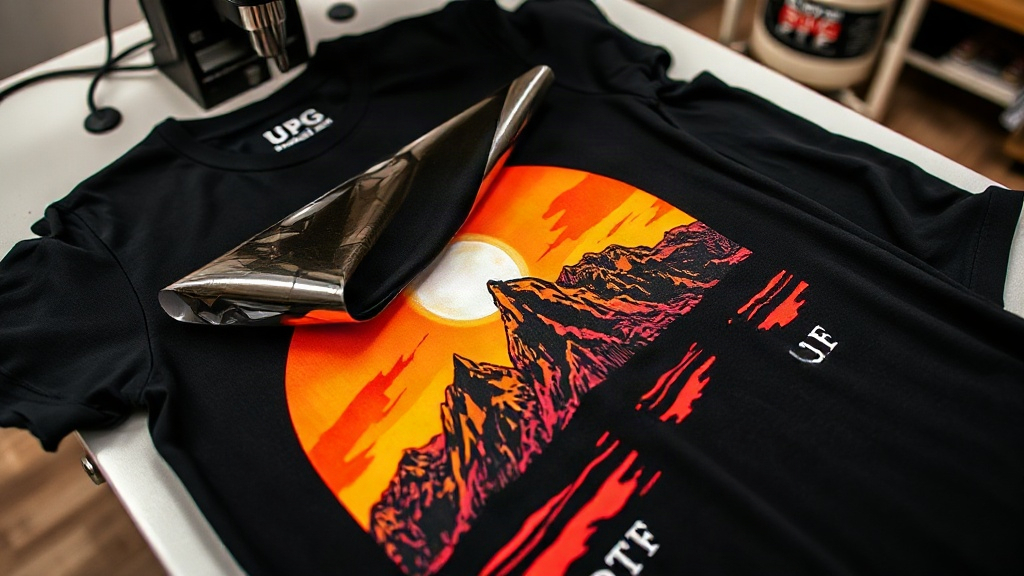
Custom apparel has never been more popular, and if you're looking to create vibrant, durable designs on fabrics, you've likely heard of DTF transfer printing. Unlike traditional methods like screen printing or heat transfer vinyl, DTF (Direct to Film) offers a versatile and cost-effective way to produce full-color prints on a variety of materials. In this guide, we'll walk you through everything you need to know about DTF printing, from the basics to advanced tips, so you can start creating professional-quality apparel right away.
What is DTF Transfer Printing?
DTF stands for Direct to Film. It's a printing technology where your design is printed onto a special film, coated with a powder adhesive, and then heat-pressed onto the fabric. The result is a soft, stretchable, and durable print that can be applied to almost any fabric, including cotton, polyester, blends, and even leather. Unlike DTG (Direct to Garment) printing, which requires pre-treatment and works best on 100% cotton, DTF transfers can be used on a wider range of materials and colors, making it a favorite among small business owners and DIY enthusiasts.
How Does DTF Printing Work?
The DTF process involves several steps, each crucial to achieving a high-quality transfer. Here's a breakdown:
- Design Preparation: Your artwork is prepared in a graphics program, ensuring it's mirrored (unless using a printer with automatic mirroring) and sized appropriately.
- Printing: A specialized DTF printer prints your design onto a PET film using water-based inks. The printer lays down a layer of white ink first (for opacity) followed by CMYK colors.
- Powder Application: While the ink is still wet, a hot-melt adhesive powder is applied evenly over the printed film. Excess powder is shaken off.
- Curing: The film with powder is then cured in an oven or with a heat press to melt the powder, creating a adhesive layer.
- Transfer: The cured film is placed on the fabric and heat-pressed at a specific temperature and pressure for a set time. After cooling, the film is peeled away, leaving the design bonded to the fabric.
Each step requires attention to detail, but with practice, you can master the DTF workflow and produce stunning results.
Why Choose DTF Over Other Printing Methods?
DTF printing has gained immense popularity for several compelling reasons:
- Versatility: Works on a wide range of fabrics, including cotton, polyester, nylon, and blends, as well as different colors (dark and light).
- No Weeding or Cutting: Unlike heat transfer vinyl (HTV), there's no need to weed intricate designs, saving time and reducing waste.
- Full-Color Prints: DTF can produce photorealistic images with gradients and fine details that other methods struggle with.
- Durability: When applied correctly, DTF transfers are stretchable, crack-resistant, and withstand multiple washes.
- Cost-Effective for Short Runs: No setup costs like screen printing, making it ideal for small batches and personalized items.
Whether you're a hobbyist or a growing business, DTF offers a flexible solution to meet diverse printing needs.
Getting Started with DTF Printing
If you're ready to dive into DTF printing, here's what you'll need and how to begin:
Essential Equipment
- DTF Printer: A dedicated printer that uses DTF inks and prints onto film. Options range from converted Epson printers to industrial models.
- DTF Inks: Water-based pigment inks designed for DTF, including white and CMYK.
- PET Film: Special film that holds the ink and releases it during transfer. Available in rolls or sheets.
- Adhesive Powder: Hot-melt powder that bonds the ink to the fabric.
- Heat Press: For transferring the design onto the garment. A commercial heat press is recommended for consistent results.
- Curing Oven (optional): For curing the powder, though a heat press can also be used.
- Design Software: Such as Adobe Photoshop, Illustrator, or free alternatives like Inkscape or GIMP.
Step-by-Step DTF Process
- Create Your Design: Design your artwork in CMYK color mode. Remember to mirror the image if your printer doesn't do it automatically. For best results, use high-resolution images (300 DPI).
- Print on Film: Load the PET film into your DTF printer and print. Ensure the printer is set to the correct ink profile and the film is loaded correctly (usually matte side up).
- Apply Powder: While the ink is wet, sprinkle the adhesive powder over the print. Use a powder shaker for even distribution. Shake off excess powder back into the container.
- Cure the Powder: Place the film in a curing oven at around 320°F (160°C) for 2-3 minutes, or use a heat press with the film between two sheets of parchment paper for about 30 seconds at 320°F. The powder should melt and become shiny.
- Transfer to Fabric: Preheat your heat press to 320°F (160°C) with medium pressure. Place the cured film on the garment, cover with parchment paper, and press for 15-20 seconds.
- Peel and Finish: Allow the transfer to cool completely (cold peel) before removing the film. For a glossy finish, peel while hot (hot peel) if your film supports it. Follow the film manufacturer's instructions.
Tips for Success
- Test Your Settings: Every heat press and fabric behaves differently. Always do a test press to determine optimal temperature, pressure, and time.
- Store Film Properly: Keep PET film in a cool, dry place to prevent moisture absorption, which can affect print quality.
- Maintain Your Printer: Regular cleaning and maintenance of your DTF printer are crucial to avoid clogs and ensure consistent output.
- Use Quality Supplies: Cheaper inks and powders may save money upfront but can lead to poor adhesion and durability. Invest in reputable brands.
- Practice Weeding: Although DTF doesn't require weeding, trimming excess film around the design can improve the final look.
Common Applications of DTF Printing
DTF printing is used across various industries and personal projects:
- Custom T-Shirts: Perfect for detailed logos, photos, and complex designs on both light and dark shirts.
- Sportswear: Because the prints stretch with the fabric, they're ideal for jerseys, leggings, and performance wear.
- Denim and Jackets: Adds vibrant graphics to denim without the stiffness of some other methods.
- Promotional Items: Great for tote bags, caps, and corporate gifts.
- Home Decor: Can be used on pillowcases, aprons, and more.
Troubleshooting Common DTF Issues
Even with experience, you might encounter some challenges. Here are solutions to common problems:
- Print Cracking or Fading: Usually caused by insufficient powder or improper curing. Ensure even powder application and full curing.
- Poor Adhesion: May result from incorrect pressure, temperature, or time during transfer. Adjust your heat press settings and ensure the fabric is clean and dry.
- Color Issues: Check your printer's ink levels and color profiles. Clogged printheads can also cause missing colors.
- Film Jamming: Ensure the film is loaded correctly and the printer's rollers are clean.
With patience and practice, you'll overcome these hurdles and achieve consistent results.
Frequently Asked Questions About DTF Printing
What fabrics can I use with DTF transfers?
DTF transfers work on a wide range of fabrics, including cotton, polyester, cotton-poly blends, nylon, and even leather. They adhere well to both light and dark colors, making them extremely versatile.
How durable are DTF prints?
When properly applied, DTF prints are highly durable. They can withstand repeated washing without cracking, peeling, or fading. For best longevity, wash garments inside out in cold water and avoid using fabric softeners or bleach.
Do I need a special printer for DTF?
Yes, you need a printer specifically designed or converted for DTF printing. These printers use DTF inks and are capable of printing white ink, which is essential for opaque transfers on dark fabrics. Standard inkjet printers are not suitable.
Can I use DTF on 100% polyester?
Absolutely. DTF transfers work well on polyester and polyester blends. However, because polyester is heat-sensitive, you may need to lower the heat press temperature slightly to avoid scorching. Always test on a scrap piece first.
How do I store DTF transfers?
Store unused DTF transfers in a cool, dry place, away from direct sunlight. Keep them in a sealed bag or container to prevent dust and moisture from affecting the adhesive. Properly stored transfers can last for several months.
With its versatility, durability, and ease of use, DTF printing is a game-changer for custom apparel. Whether you're a small business owner or a DIY enthusiast, mastering DTF can open up a world of creative possibilities. Start experimenting today and bring your designs to life on fabric like never before.