
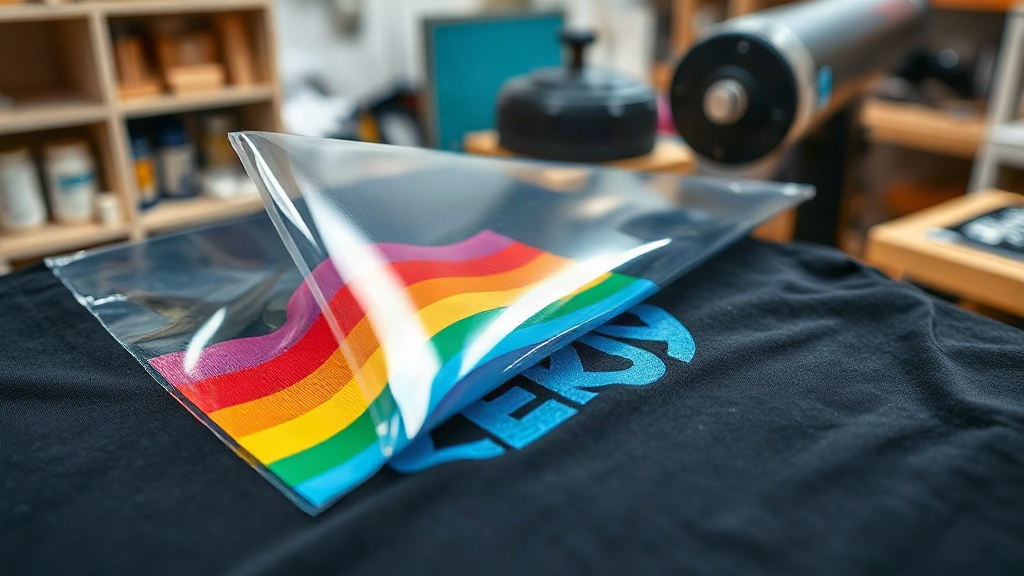
Imagine pressing a vibrant, full-color design onto a dark cotton t-shirt without any weeding, masking, or special pretreatment. That's the promise of DTF transfers, a technology that has rapidly become a favorite among apparel decorators, from hobbyists to large-scale print shops. Unlike traditional heat transfer vinyl (HTV) or screen printing, DTF (Direct to Film) transfers offer unmatched versatility in color and fabric compatibility. In this guide, we'll walk you through everything you need to know about DTF transfers, from the science behind them to practical tips for flawless application.
What Are DTF Transfers?
DTF transfers are a type of heat-applied decoration where a design is printed onto a special PET film using a DTF printer. The printer lays down a layer of white ink (for opacity) and then CMYK inks to create the image. A thermoplastic powder adhesive is applied to the wet ink, which is then cured. The result is a transfer that can be stored and later applied to garments using a heat press. The key difference from other methods is that the design is printed onto a film, not directly onto the fabric, allowing for intricate details and vibrant colors on any color garment.
The DTF Printing Process
Understanding how DTF transfers are made helps you appreciate their quality. Here's a step-by-step overview:
- Design Preparation: Your artwork is prepared in a RIP software, which manages color profiles and ink limits.
- Printing: A DTF printer prints the design onto a PET film. First, white ink is laid down as a base, followed by CMYK inks.
- Powdering: While the ink is still wet, a fine thermoplastic powder is sprinkled over the print. The powder sticks to the ink.
- Curing: The film passes through a curing oven or under a heat source to melt the powder, creating a flexible adhesive layer.
- Transfer: The cured film is then pressed onto the fabric with a heat press, and after cooling, the film is peeled away, leaving the design bonded to the garment.
Why Choose DTF Transfers Over Other Methods?
DTF transfers have several advantages that make them stand out:
- No Weeding: Unlike HTV, you don't need to cut and weed tiny details. This saves time and reduces waste.
- Full-Color Complexity: DTF can print gradients, photographs, and fine lines with ease, something that screen printing struggles with.
- Fabric Versatility: Works on cotton, polyester, blends, and even nylon and leather. No need for special pretreatment.
- Durability: When applied correctly, DTF transfers withstand multiple washes without cracking or fading.
- Cost-Effective for Short Runs: No setup costs like screen printing, making it ideal for small batches or one-offs.
Applications of DTF Transfers
DTF transfers are used across a wide range of industries and personal projects. Here are some popular applications:
- Custom T-Shirts: Perfect for personalized gifts, team uniforms, and promotional apparel.
- Sportswear: The stretchability of DTF transfers makes them suitable for jerseys and activewear.
- Denim and Jackets: Can be applied to denim without the stiffness of some other methods.
- Bags and Accessories: Great for tote bags, backpacks, and hats.
- Home Decor: Pillows, quilts, and even canvas prints.
How to Apply DTF Transfers: A Step-by-Step Guide
Applying DTF transfers is straightforward, but following the correct steps ensures a professional finish. Here's how:
- Preheat the Garment: Set your heat press to the recommended temperature (usually 300-325°F / 150-160°C). Preheat the garment for a few seconds to remove moisture and wrinkles.
- Position the Transfer: Place the DTF transfer on the garment with the printed side facing up. Ensure it's exactly where you want it.
- Press: Cover with a Teflon sheet or parchment paper. Press with medium pressure for 10-15 seconds.
- Cool and Peel: Remove the garment from the press and let it cool completely. Then, peel off the film. For a matte finish, you can press again for a few seconds after peeling.
Common Mistakes to Avoid
Even with a simple process, mistakes can happen. Watch out for these:
- Insufficient Pressure: Leads to poor adhesion. Make sure your press is adjusted properly.
- Wrong Temperature: Too low and the adhesive won't activate; too high and you may scorch the fabric or film.
- Peeling Too Soon: Always let the transfer cool before peeling. Peeling hot can cause the design to stretch or lift.
- Not Preheating: Moisture in the fabric can ruin the bond. Always preheat.
DTF Transfers vs. Other Printing Methods
Let's compare DTF with other popular decoration methods:
- DTF vs. HTV: HTV requires weeding and is limited to solid colors. DTF handles complex designs and is faster for multi-color jobs.
- DTF vs. Screen Printing: Screen printing is cost-effective for large orders but has setup costs and color limitations. DTF is better for short runs and detailed designs.
- DTF vs. DTG: DTG (Direct to Garment) is limited to cotton and requires pretreatment. DTF works on more fabrics and often has more vibrant colors.
- DTF vs. Sublimation: Sublimation only works on light polyester. DTF works on dark cotton and blends.
Tips for Long-Lasting DTF Transfers
To ensure your DTF transfers last, follow these care instructions:
- Wash inside out in cold water.
- Use mild detergent, no bleach or fabric softener.
- Tumble dry low or hang dry.
- Iron inside out, avoiding direct heat on the design.
- Wait 24 hours after application before washing.
Frequently Asked Questions About DTF Transfers
How long do DTF transfers last?
With proper application and care, DTF transfers can last as long as the garment itself. They are durable and resistant to cracking and fading, often lasting 50+ washes.
Can I use DTF transfers on polyester?
Yes, DTF transfers work well on polyester and polyester blends. However, you may need to adjust temperature and pressure to avoid scorching.
Do I need a special printer for DTF transfers?
Yes, DTF transfers require a DTF printer that uses pigment inks and white ink. You also need a powder shaker and curing oven. Alternatively, you can buy pre-made DTF transfers from a supplier.
What fabrics can DTF transfers be applied to?
DTF transfers can be applied to cotton, polyester, blends, nylon, leather, and more. They are not recommended for fabrics with a heavy water-repellent coating.
Is DTF printing cost-effective for small orders?
Absolutely. Unlike screen printing, there are no setup fees, so DTF is ideal for small batches and one-off designs.
Whether you're a DIY enthusiast or a professional decorator, DTF transfers offer a powerful way to bring your designs to life on a wide range of garments. With the right techniques and care, you can achieve vibrant, long-lasting results that impress. So why not give DTF a try for your next project?