
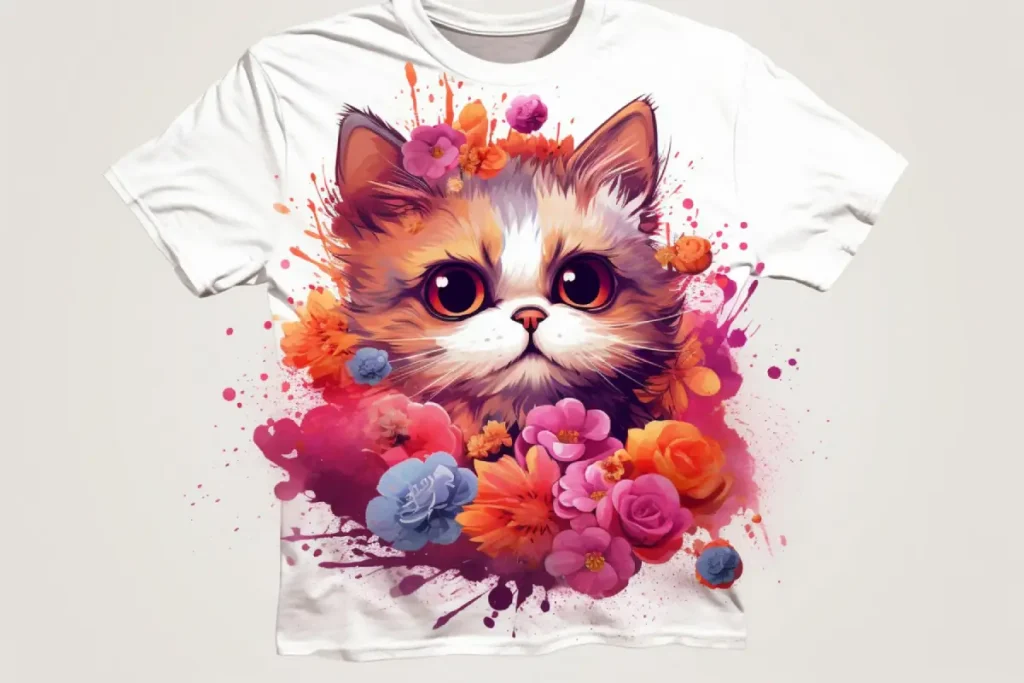
In the rapidly evolving world of custom apparel, finding a reliable and high-quality method to bring your designs to life is essential for any business owner or creative individual. If you have been searching for a solution that combines durability with vibrant color accuracy, you have likely encountered dtf technology. This printing method has transformed how we approach small-batch production and complex graphic design on textiles, offering a level of versatility that traditional screen printing simply cannot match for short runs.
When you start exploring dtf, it becomes clear that the process is far more forgiving than older methods like direct-to-garment or sublimation. Because the design is printed onto a specialized film, transferred with an adhesive powder, and then heat-pressed, the final result is remarkably stretchy and resistant to cracking. Whether you are creating custom merchandise for your brand or fulfilling bespoke orders for clients, understanding the nuances of this technology is the key to maintaining a professional edge in a crowded marketplace.
Understanding the Mechanics of Professional Transfers
The core of this technology lies in the specialized ink and film combination. When we talk about dtf transfers, we are referring to the professional-grade output that allows for crisp edges and fine details that would otherwise be lost in older techniques. Unlike vinyl cutting, which requires weeding, or sublimation, which is limited to polyester materials, this process allows you to decorate almost any fabric, including cotton, blends, and even dark-colored apparel, with ease.
For those looking to optimize their workflow, consistency is everything. Using high-quality film and the correct curing temperature for your dtf transfers ensures that the adhesive powder melts perfectly into the ink. This results in a soft hand-feel that is comfortable for the end user to wear. It is a game-changer for businesses that want to provide retail-ready quality without the need for massive inventory investments or expensive industrial machinery.
Why Businesses Are Shifting to On-Demand Printing
One of the most significant advantages for modern entrepreneurs is the ability to print on demand. Instead of guessing which sizes or designs will sell, you can keep a stock of pressed transfers ready to go or print them in minutes. By utilizing dtf transfers near me or sourcing them from reputable providers, you can significantly reduce your turnaround time. This agility allows you to respond to trends in real time, keeping your inventory fresh and your customers excited.
Furthermore, the cost-effectiveness of this method for small quantities cannot be overstated. You no longer need to order hundreds of pieces to make a design profitable. Whether you are printing a single custom hoodie or a small batch of branded event shirts, the economics align perfectly with the needs of a small-to-medium-sized business.
Achieving Long-Lasting Quality
Quality control is what separates hobbyists from true professionals. When working with dtf, the most common mistake is failing to properly cure the transfer. You want to ensure that the adhesive has bonded completely with the ink layer. If you are outsourcing your prints, look for partners who use industrial-grade curing ovens rather than manual hand-powdering, as this guarantees a consistent finish every single time.
Additionally, pay close attention to your press settings. A standard medium-to-firm pressure combined with the specific temperature recommended by your film manufacturer is vital. Proper care ensures that the graphic remains vibrant even after dozens of laundry cycles, which is the ultimate test of dtf transfers quality. Your customers will value the longevity of the garment as much as the sharpness of the design.
Frequently Asked Questions
Is it possible to use these transfers on any type of fabric?
Yes, one of the biggest benefits of dtf technology is its compatibility. Unlike sublimation, which requires high polyester content, these transfers work exceptionally well on cotton, cotton-poly blends, polyester, nylon, and even treated leather. This versatility makes it a universal solution for most garment decoration needs.
How do I find a reliable provider for my production needs?
If you are searching for dtf transfers near me, look for shops that provide samples. Check their reviews regarding the stretchability and washability of their prints. A reputable supplier will be transparent about the equipment they use and should be able to provide clear instructions on how to press their specific transfers onto your garments.
What is the shelf life of the printed film?
When stored in a cool, dry, and dark environment, professionally cured transfers can last for several months. Keeping them away from humidity is critical, as moisture can affect the adhesive powder. Harwin recommends keeping your stock in sealed bags to ensure the integrity of the transfers remains perfect for when you are ready to press them.
Navigating the technical side of apparel decoration does not have to be overwhelming. By mastering dtf and its application processes, you are investing in a future where your brand can deliver high-quality, durable, and stunning custom goods whenever demand arises. At Harwin, we believe in empowering creators with the knowledge and tools needed to succeed. Start implementing these professional practices today to see the difference in your final product.