
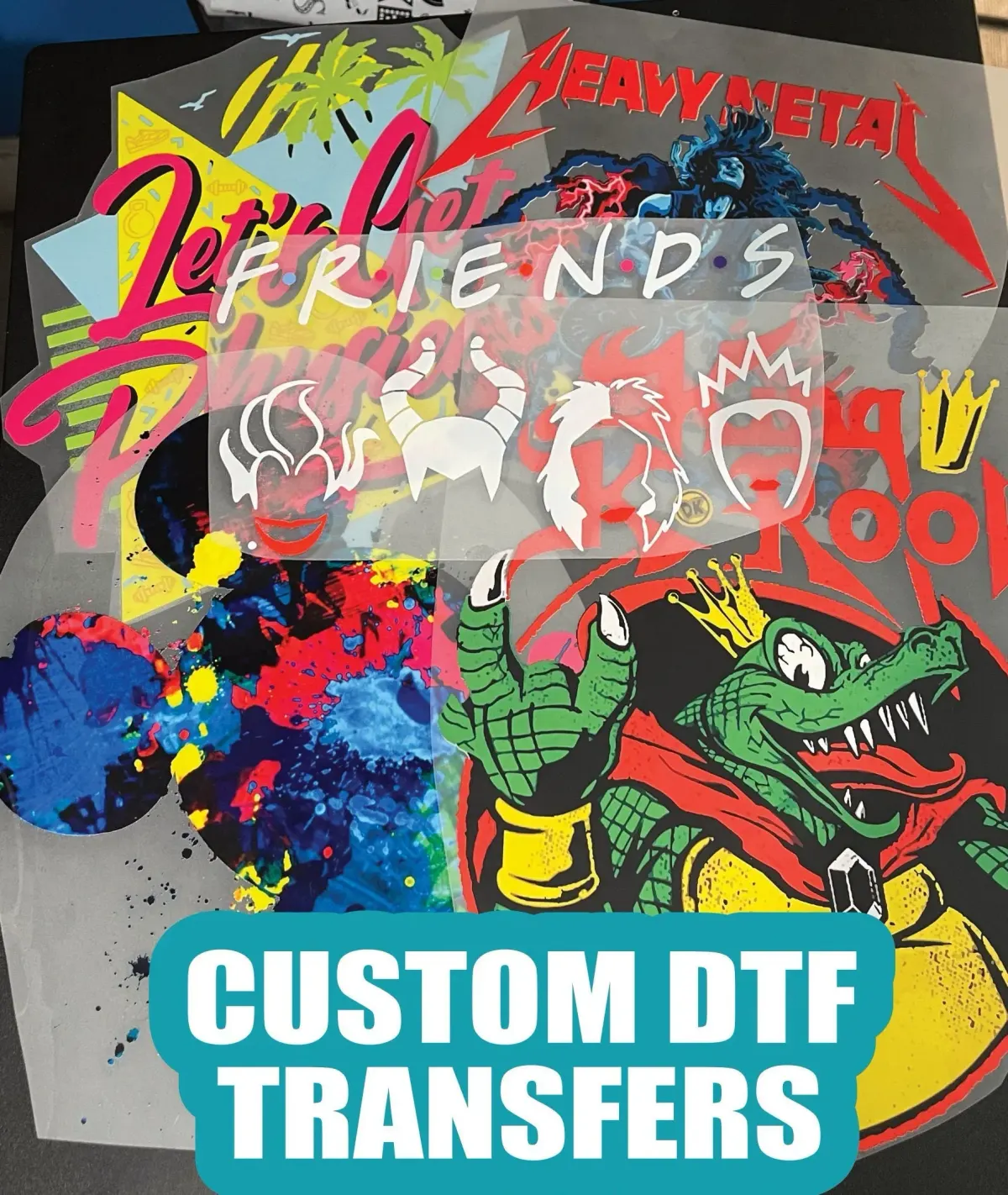
DTF transfers are revolutionizing the textile printing industry by offering a versatile and efficient solution for custom printing. With the rise of DTF technology, businesses and creators now have access to high-quality prints that can be easily applied to a variety of fabrics, including cotton and polyester. This innovation simplifies the process of fabric printing, making it more accessible for both small-scale crafters and larger commercial operations. As demand for personalized products continues to grow, DTF printing services are becoming increasingly popular, providing a cost-effective alternative to traditional printing methods. In this article, we delve into the reasons behind the surging popularity of DTF transfers and the bright future that awaits this exciting technology.
Direct-to-Film (DTF) transfers, often considered the latest evolution in custom fabric printing, are redefining how designs are transferred onto textile surfaces. This innovative approach harnesses advanced DTF technology to facilitate vibrant, high-resolution graphics that adhere seamlessly to various textile materials. As the industry embraces these modern techniques, the appeal of DTF printing expands, particularly among creators looking to produce unique and bespoke merchandise. The growing landscape of fabric printing now includes DTF as a mainstream choice, bringing efficiency and versatility to both hobbyists and professionals. In this discussion, we will explore the myriad benefits and advancements associated with DTF transfers, highlighting their role in the future of textile design.
Understanding the Benefits of DTF Transfers
DTF transfers offer a variety of benefits that make them increasingly appealing to businesses and crafters alike. One of the most significant advantages is the high-quality prints they produce, which display vibrant colors and intricate details. These characteristics allow designers to create striking visuals that can withstand the rigors of everyday wear. Unlike traditional screen printing, the DTF printing process lends itself well to intricate designs and full-color images, ensuring that the final product is nothing short of spectacular.
Furthermore, DTF technology is incredibly versatile, as it accommodates a range of fabrics from cotton to polyester blends. This versatility opens up exciting opportunities for custom printing in various sectors, including fashion, promotional items, and home textiles. As more creators recognize the potential of DTF transfers, the demand for custom printing services will likely rise, helping craft businesses and manufacturers offer unique, personalized products catering to customer preferences.
Exploring Recent Innovations in DTF Technology
The landscape of DTF technology is rapidly evolving, with recent innovations significantly enhancing its usability and accessibility. For instance, DTFPrinter's launch of a streamlined service for custom transfer printing demonstrates a commitment to solving common problems faced by small creators. By focusing on user experience, DTFPrinter aims to make high-quality custom printing easily accessible, empowering more users to tap into the advantages of DTF transfers.
Additionally, platforms like Snuggle DTF and advancements such as Mimaki's UV DTF technology showcase the industry’s forward momentum. By facilitating a web-to-print model, Snuggle enables businesses to access DTF printing services without the high costs of equipment investment. Meanwhile, Mimaki's innovations signal exciting possibilities beyond textile uses, implying that DTF technology can diversify applications into graphic and promotional printing. Such developments not only highlight adaptability within the market but also underline the importance of staying current with advancements.
The Future Landscape of Textile Printing with DTF Technology
As we look towards the future, the influence of DTF transfers in the textile printing landscape cannot be understated. With continual advancements in technology, DTF printing is poised to become a core element of the creative process across industries. The ability to produce high-quality, customizable options will likely meet growing consumer demands for bespoke and distinctive products, placing DTF technology at the forefront of textile innovation.
Moreover, as brands increasingly focus on sustainability and efficiency, DTF printing emerges as a eco-friendly alternative that consumes fewer resources compared to traditional methods. This alignment with sustainable practices can empower businesses to appeal to environmentally-conscious consumers, ensuring that DTF transfers not only thrive in creativity but also align with modern values. The future looks bright for DTF technology, with its potential to revolutionize the fabric printing landscape.
Challenges and Solutions in Adopting DTF Transfers
While DTF transfers present numerous advantages, challenges must be addressed to facilitate widespread adoption. The initial costs associated with purchasing DTF printing equipment can be a significant barrier for small businesses and individual creators. However, the emerging commercial platforms like Snuggle DTF may provide solutions by simplifying access and lowering the financial thresholds for entry. This shift enables more users to experience the benefits of DTF printing without incurring substantial upfront investments.
Additionally, understanding the intricate processes involved in DTF technology can pose a steep learning curve for new adopters. Thus, educational resources and training opportunities will be vital in bridging this gap, ensuring users are well-equipped to leverage DTF capabilities effectively. As the market matures, we can expect a plethora of guides, tutorials, and support from experienced users to emerge, fostering a community of skilled creators who can confidently navigate the DTF printing landscape.
Transforming Custom Printing with DTF Services
The advent of DTF printing services is transforming the custom printing landscape, making it more accessible for both small businesses and independent creators. With DTF technology, custom design options have expanded significantly, allowing for intricate detailing and a broader color palette than ever before. This development caters to a heightened consumer desire for individualized products that reflect personal style and brand identity, positioning DTF transfers as a valuable asset for those seeking to stand out in a competitive market.
Furthermore, the automation capabilities offered by DTF printing services can streamline production processes, thus enhancing efficiency. This aspect is particularly beneficial for businesses that handle large orders or require quick turnaround times. As more companies adopt DTF technology, the demand for such services will likely increase, leading to further innovations and improvements in the quality and speed of custom printing solutions.
The Role of Sustainability in DTF Printing Trends
Sustainability is becoming an essential consideration in the textile printing sector, and DTF transfers are leading the charge towards more eco-friendly practices. Traditional screen printing often involves numerous chemicals and processes that generate waste, while DTF printing minimizes resource consumption and environmental impact. This alignment with sustainability appeals to a growing demographic of consumers who prioritize eco-conscious choices in their purchasing decisions.
Moreover, as brands strive to integrate sustainable practices, leveraging DTF technology can enhance their marketing strategies by promoting eco-friendly messaging. Businesses that prioritize sustainability through the use of DTF printing will likely resonate with modern consumers, forging stronger connections and loyalty. Thus, the future of DTF transfers not only encompasses exciting innovations but also a commitment to preserving the environment through thoughtful production methods.
Frequently Asked Questions
What are DTF transfers and how do they work in textile printing?
DTF transfers, or Direct-to-Film transfers, are a revolutionary method in textile printing that allows for high-quality, full-color designs to be transferred onto fabrics. This process involves printing designs onto special transfer films, which are then adhered to fabrics using heat and adhesive. This technology simplifies the printing process, making it versatile for various materials like cotton and polyester.
What are the advantages of using DTF printing services for custom fabric designs?
DTF printing services offer several advantages for custom fabric designs, including cost-effectiveness for short runs, vibrant print quality, and the ability to print on diverse materials. This technology is accessible for small businesses and crafters looking to create unique and personalized clothing and merchandise, making it a popular choice in the textile printing industry.
How do recent developments in DTF technology enhance the DTF transfer process?
Recent developments in DTF technology, such as innovative web-to-print platforms and advanced printers, streamline the DTF transfer process. These advancements make it easier for businesses to produce high-quality custom transfers, reduce setup costs, and expand their service offerings, ultimately facilitating a smoother adoption of DTF printing in the market.
Can DTF transfers be used on various types of fabrics?
Yes, DTF transfers are highly versatile and can be applied to various types of fabrics, including cotton, polyester, and blends. This adaptability makes DTF printing ideal for a wide range of applications in the fashion and merchandise industries, allowing designers to experiment with different materials without sacrificing quality.
What challenges might businesses face when adopting DTF printing technology?
Businesses adopting DTF printing technology may encounter challenges such as the initial equipment costs and the learning curve associated with new printing processes. However, innovative platforms like Snuggle DTF and educational resources can help ease these concerns, making it easier for companies to integrate DTF transfers into their operations.
How does DTF technology contribute to sustainability in textile printing?
DTF technology contributes to sustainability in textile printing by using fewer resources and generating less waste compared to traditional printing methods. This eco-friendly approach not only helps reduce environmental impact but also aligns with growing consumer demand for sustainable practices in the fashion and merchandise industries.
| Key Points |
|---|
| DTF transfers provide high-quality, full-color designs for various fabrics, offering advantages over traditional printing methods. |
| Ease of Use: Accessible for both crafters and larger businesses. |
| Versatility: Suitable for multiple materials including cotton and blends. |
| Cost-Effective: Lower setup costs than screen printing, ideal for short runs. |
| Innovations: Recent advancements such as DTFPrinter's custom transfers and Snuggle's web-to-print platform enhance user experience and accessibility. |
| Quality and Sustainability: DTF transfers yield vibrant prints while using fewer resources compared to traditional methods. |
| Challenges: Initial equipment costs and learning curve may pose barriers for some users. |
| Future Outlook: Continuous innovation suggests a bright future for DTF transfers in the textile printing market. |
Summary
DTF transfers are revolutionizing the textile printing landscape by offering a highly efficient and versatile printing method. Catering to the needs of creators and businesses alike, DTF transfers boast features such as ease of use, cost-effectiveness, and high-quality prints that appeal to a diverse market. The advancements in technology, including dedicated platforms that simplify access to DTF printing, showcase its growing presence. As the industry continues to evolve, embracing DTF transfers not only opens new avenues for customization but also ensures sustainability in the printing process. The future of DTF transfers looks incredibly promising, solidifying their integral role in the textile printing sector.